Can My Pet Get Depressed? Understanding and Helping Your Furry Friend
Learn about the signs of depression in pets and how you can help your furry friend navigate emotional changes. We offer guidance to help your pet feel better.
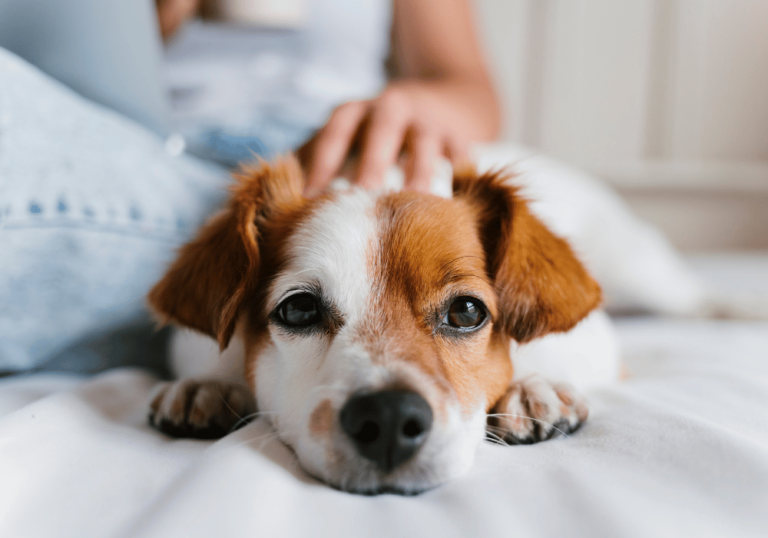
While pets often bring joy and companionship into our lives, they can also experience emotional changes. Though they may appear perpetually happy—excited when you come home or ready to play—there are times they might show signs of sadness or disinterest in activities they once enjoyed. This raises an important question: can pets actually suffer from depression?
Understanding Pet Depression
Veterinary behavioral experts confirm that animals can exhibit symptoms of depression, particularly in response to significant life changes. Events such as moving to a new home, losing a family member, or the death of another pet can lead to feelings of sadness in your furry friend. Identifying these triggers can require some careful observation.
Common Symptoms of Depression in Pets
You may suspect your pet is experiencing depression if you observe any of the following signs:
Decrease in Activity Level
Your pet may become lethargic, preferring to rest rather than engage in their usual activities.
Loss of Appetite
A noticeable decrease in food intake may result in weight loss.
Lack of Interest in Play
Games that once thrilled them, like fetch or chasing toys, may no longer excite your pet.
Reduced Interaction with People
Pets might retreat into solitude, skipping their usual routine of greeting you or hiding away.
Behavioral Changes in Birds
For example, birds may exhibit feather plucking, indicating distress.
How to Help Your Pet Overcome Depression
If you notice these symptoms lasting more than two weeks, it's essential to consult with our team at Animal Medical Center of Pleasanton. Many signs of depression can overlap with health issues, making it vital to rule out medical conditions. For instance, lethargy can be a symptom of diabetes or kidney failure, while pain from arthritis in older pets can look like depression.
Steps to Support Your Pet
Once health issues are ruled out, consider the following strategies to help uplift your pet's mood:
Spend Quality Time Together
Even if your pet isn't seeking interaction, engaging with them can enhance their mood. Extra cuddles or playtime can be beneficial, especially after significant life changes.
Grooming
Regular brushing can improve your pet's appearance and provide valuable bonding time, as depressed pets often neglect grooming.
Assess Social Needs
Some pets thrive alone while others need companionship. Consider your pet's socialization requirements to ensure they feel connected.
Encourage Playfulness
Boredom can contribute to a depressive state in pets. Introduce new toys or engage in daily walks and playtime to stimulate their interest.
Maintain Routines
Pets benefit from stability. Keeping their daily schedule as consistent as possible can provide reassurance.
Offer Enticing Treats
If your pet has lost interest in their regular food, consider offering treats or different proteins like chicken or fish to pique their appetite.
Discuss Medication Options
In severe cases, medication may be necessary. This is typically a last resort but can be effective for some pets.
Conclusion
If you're worried about behavioral changes in your pet or if you suspect they may be depressed, don't hesitate to reach out to us at Animal Medical Center of Pleasanton. Our dedicated team will conduct a thorough evaluation to identify any underlying health issues and recommend effective solutions to help your beloved pet feel happier and healthier.
For more information or to schedule an appointment, call us at (925) 734-8387, visit us at 3901 Santa Rita Rd, Pleasanton, CA 94588, or browse our website for additional resources.