
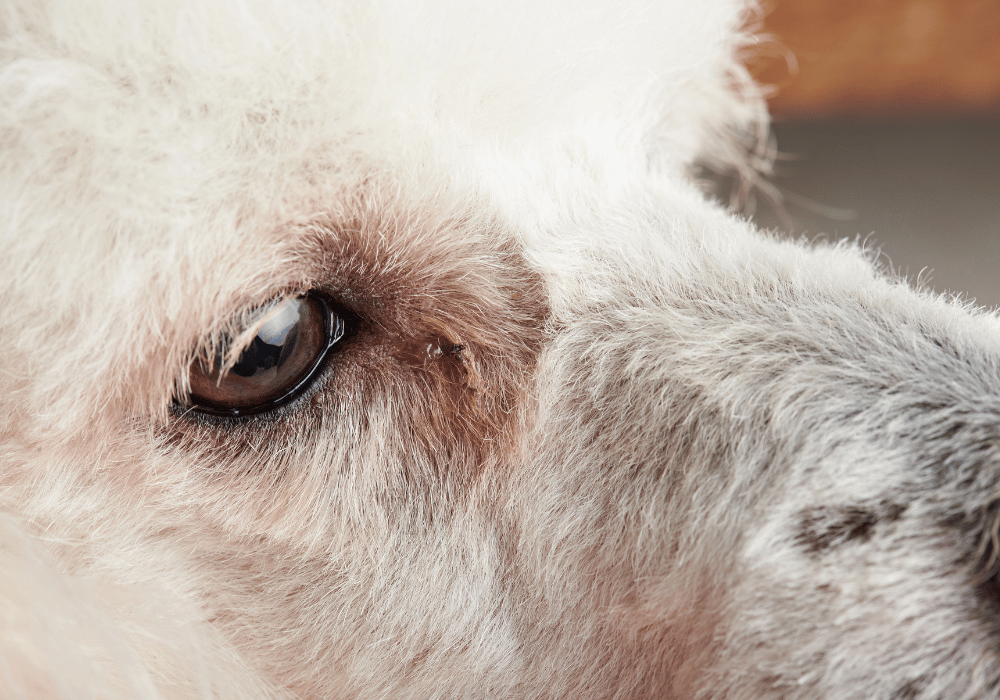
Dog Conjunctivitis: Symptoms & Treatment
Learn about dog conjunctivitis, its symptoms, and treatment options. Keep your pet's eyes healthy with expert care from Animal Medical Center.
If you suspect your dog is suffering from conjunctivitis, here's what you need to know. From causes to symptoms and treatment options, we've got you covered.
Does your dog seem to have irritated, bloodshot, runny, or weepy eyes? Are they blinking excessively or rubbing their face against you or the ground? If so, your pooch might be suffering from conjunctivitis, commonly known as pink eye. Just like in humans, this condition can develop suddenly, is uncomfortable, and requires professional attention. Here's what you need to know about this condition.
What is Conjunctivitis in Dogs?
Dog conjunctivitis arises from the inflammation of the conjunctiva, a thin, transparent membrane that covers the front part of the eyeball and lines the eyelid. This membrane acts as the eye's protective barrier against dirt and bacteria. If you think your pet has conjunctivitis, it's best to consult our veterinarians at the Animal Medical Center of Pleasanton as soon as possible, as some underlying causes can progress rapidly.
What Are the Symptoms of Dog Conjunctivitis?
In dogs, symptoms may not be as apparent as in humans due to factors such as long eyebrow hair. However, it's vital to be vigilant for the following signs:
Eye discharge (yellow or green)
Squinting
Watery eyes
Eyelids that stick together
Excessive blinking
Rubbing their eyes
Swollen eyelids
These signs may be accompanied by cold-like symptoms, such as a runny nose, indicating a viral infection.
What Causes Conjunctivitis in Dogs?
Dogs are naturally curious and can easily encounter various irritants and pathogens, leading to conjunctivitis. Common causes include:
Irritation from foreign objects (often hidden under the eyelids)
Smoke, mold, dust, or pollutants
Dry eyes lacking adequate tear production
Allergies
Other eye conditions, such as glaucoma or tumors
Eye injuries
Irritating shampoos
Eyelids or hairs improperly positioned against the eye
Bacterial or viral infections
Mites affecting the skin around the eyes
Determining the exact cause can be difficult for pet owners, so it's always best to consult our veterinarians for guidance. Identifying the cause is crucial for establishing the most effective treatment.
How to Treat Conjunctivitis in Dogs
With various potential triggers for conjunctivitis, treatment is not one-size-fits-all. Your veterinarian will first identify the underlying cause before recommending a course of action. Pain relief may also be necessary, as a sore eye can be distressing for your dog.
Removal of Foreign Objects
If a foreign object is the culprit, your vet will typically attempt to carefully remove it. In some cases, sedation may be required.
Medical Treatment
If caused by a bacterial or viral infection, antibiotics or antiviral medications will be prescribed. Allergies may necessitate antihistamines or steroids, which can be administered as tablets or eye drops.
Eye Drops or Ointments
Sticky yellow or green discharge could indicate compromised tear production, leading to dry, irritated eyes. The vet might recommend specific eye drops or ointments for treatment.
Should You Go to the Vet if You Suspect Your Dog Has Conjunctivitis?
Yes, you should consult our veterinarians at the Animal Medical Center of Pleasanton whenever you notice symptoms of conjunctivitis. This is not a condition you should ignore, as some causes can worsen quickly and may be painful. Early professional consultation can help mitigate the risk of serious vision problems affecting your canine companion.
Things to Avoid if Your Dog Has Conjunctivitis
Don't Use Eye Drops Meant for Humans
Human eye drops can be harmful to dogs, as the necessary ingredients differ. While saline drops made for pets are available, always consult your vet first for advice.
Don't Forget to Wash Your Hands
Eyes are sensitive, so any bacteria or irritants on your hands can worsen your dog's condition. Wash your hands before checking your dog's eyes.
How to Prevent Conjunctivitis in Dogs
While it's impossible to completely protect your dog from conjunctivitis, there are preventive measures you can take:
Keep Up with Vaccinations
Ensure your dog is vaccinated, as certain viruses can lead to infectious conjunctivitis. Regular vaccinations provide essential protection.
Avoid Irritants
Assess your dog's environment for irritants such as cleaning products, smoke, and mold. Strong scents like perfume can also irritate their eyes.
Use a Dog Cone
While not a preventive measure, a cone can prevent your dog from exacerbating the condition by rubbing their eyes.
Can Conjunctivitis Be Passed from Dog to Human?
While it's rare, humans can contract conjunctivitis from dogs. Conversely, dogs can also catch conjunctivitis from humans. If you have conjunctivitis, wash your hands before interacting with your furry friend to minimize the risk.
Conclusion
If you suspect your dog may have conjunctivitis, contact our veterinarians at the Animal Medical Center of Pleasanton for an accurate diagnosis and appropriate treatment. Taking prompt action is essential for your dog's comfort and well-being.
For more assistance or questions, call us at (925) 734-8387 or visit us at 3901 Santa Rita Rd, Pleasanton, CA 94588. Our hours are Tuesday-Friday: 8:00 am – 7:00 pm and Saturday-Sunday: 9:00 am – 6:00 pm (closed Mondays starting November).