Protect Your Pet in Cold Weather: Winter Safety Tips
Learn how to keep your furry friend safe and comfortable during cold weather with these essential tips for cold weather pet safety.
As winter approaches, pet owners must be vigilant about the unique challenges that cold weather presents for our furry companions. From skin irritations to frostbite, cold temperatures can pose serious health risks for pets. Fortunately, there are several proactive measures you can take to ensure your pet stays safe and comfortable. Here are six essential tips for cold weather pet safety.
Use Pet-Safe Antifreeze
Antifreeze can be deadly for pets, even in small amounts. Its sweet scent often attracts animals, leading them to lick up spills that can cause kidney failure or even death. To protect your pet, switch to a pet-safe antifreeze. Before refilling your antifreeze, be sure to flush out the old product and dispose of it properly. Always clean up any spills immediately to prevent your pet and other animals from coming into contact with this hazardous substance.
Pay Extra Attention to Your Pet's Paws and Pads
Cold weather can be harsh on your pet's paws. Frozen surfaces, rock salt, and ice-melting chemicals can cause painful irritation. After walks or outdoor play, wipe your pet's paws to remove any irritants. For added protection, apply a layer of petroleum jelly to their pads before heading outside. Consider investing in pet-sized booties, which can protect against harmful substances and provide traction on icy surfaces. Regularly inspect your pet's paws during snowy days, removing any clumps of snow or ice to prevent discomfort or frostbite.
Limit Outside Time on Freezing Cold Days
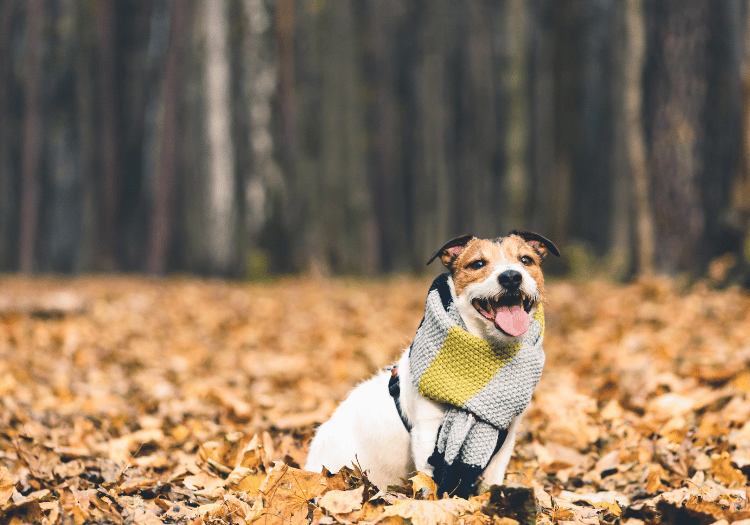
While pets often enjoy brisk air, their natural fur coats may not provide sufficient protection in extreme cold. If the temperature is freezing and you wouldn't want to be outside for long, neither should your pet. Bring them indoors, especially if they are short-haired, elderly, young, or unwell. For short outings, a cozy sweater can provide an extra layer of warmth for those who need it most.
Ensure Your Pet Wears Tags
Winter can complicate the search for lost pets, as snow and bad weather can obscure their location. Make sure your pet wears a collar with an ID tag, even if they are microchipped. While shelters and veterinary offices can scan microchips, good Samaritan neighbors may not have the tools to check. A visible ID tag can expedite the reunion with your lost pet.
Protect Your Pet from Indoor Hazards
As the cold weather drives us indoors, it's crucial to keep your pet safe from indoor hazards. Fireplaces, heaters, and lit candles can all pose risks. Use baby gates to create a safe barrier around these heat sources. Kerosene heaters can be particularly hazardous; ensure they are out of reach of curious pets. Instead of traditional candles, consider using battery-operated flameless candles to create a cozy ambiance without the fire risk.
Don't Leave Your Pet in a Cold Car
Just as hot cars can be deadly in the summer, cold cars pose a significant risk in the winter. Cars can act like refrigerators, trapping the cold air and putting your pet at risk of hypothermia. If you plan to be out of the car for more than 10 minutes, it's best to bring your pet with you or leave them comfortably at home.
If you have questions about your pet's health or need to schedule an appointment, consult our team at the Animal Medical Center of Pleasanton. We're here to help you and your furry friends stay safe and healthy this winter.
For more assistance or inquiries, call us at the Animal Medical Center of Pleasanton at (925) 734-8387 or visit our clinic at 3901 Santa Rita Rd, Pleasanton, CA 94588. Our hours are Tuesday-Friday: 8:00 am – 7:00 pm and Saturday-Sunday: 9:00 am – 6:00 pm (closed Mondays starting November).