
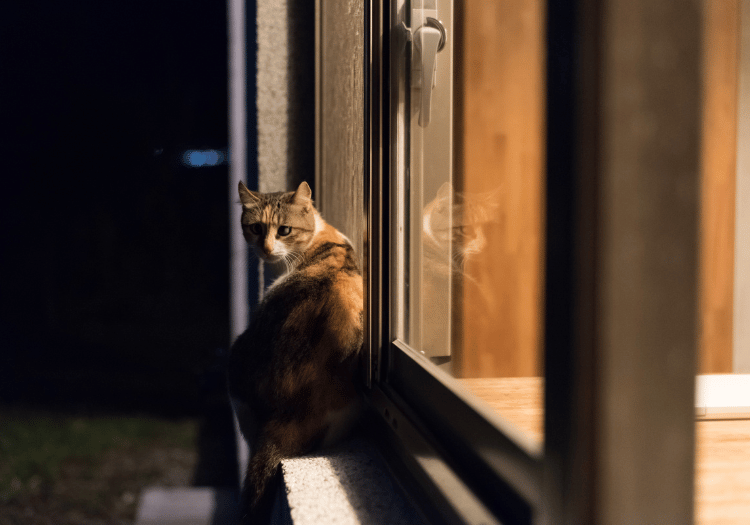
Manage Your Cat's Night-Time Activity: Tips from Animal
Discover practical strategies to manage your cat's night-time activity and enjoy a peaceful night's sleep. Say goodbye to being woken up by your cat antics.
It's 2 a.m., and while the world outside is silent, your home is anything but. Your cat, full of energy, races through the house, sliding around corners and knocking over plants. While your feline friend sees the night as an adventure, you're left wondering how to get a good night's sleep. If you're tired of being woken up by your cat's antics, read on for practical strategies to manage your pet's night-time activity.
Why Is Your Cat Active at Night?
Cats are naturally crepuscular animals, meaning they are most active during dawn and dusk. In the wild, this is when they hunt for food. Even though your pet may not need to hunt, those instincts remain strong. Understanding this behavior is crucial for effectively managing it.
What to Do If Cat Capers Interfere with Your Sleep
If your cat's night-time antics are keeping you awake, here are several strategies to help both you and your furry friend enjoy restful nights:
Just Ignore Your Cat
While it might seem counterintuitive, ignoring your cat's attempts to get your attention may help. If your cat scratches at the door or meows, avoid giving in. Responding with food or petting may inadvertently reward this behavior, making it more likely to continue.
Keep Your Pet Active During the Day
A tired cat is a calm cat. Engage your pet in stimulating play sessions throughout the day, particularly in the afternoon and early evening. Here are some fun activities to consider:
Fetch
Many cats enjoy a good game of fetch. Toss a small, lightweight toy for your cat to bring back.
Chase the Light
Use a laser pointer for a lively game of chase, helping to burn off excess energy.
Fishing
Use a kitty fishing rod with dangling toys to engage your cat's hunting instincts.
Bird and Squirrel Watching
Set up a resting shelf by a window so your cat can watch birds and squirrels outside.
Videos
Consider showing videos of birds or other animals designed for feline viewers on platforms like YouTube.
Electronic Toys
Invest in battery-operated toys that keep your cat entertained while you're busy or away.
Tag
Join in on the fun by playing tag with your cat during the day.
Change Feeding Times
Many cats become sleepy after eating. If your cat is prone to night-time activity, consider adjusting its feeding schedule. Offer the last meal of the day later or provide a small treat at bedtime to encourage sleepiness.
Close the Bedroom Door
Sometimes, the simplest solutions are the best. By closing your bedroom door at night, you create a barrier between your sleep and your cat's nightly antics. Initially, your pet may protest, but they will likely adapt to the new routine.
Consult Our Doctors at Animal Medical Center of Pleasanton
If your cat has suddenly become more active at night or excessively vocal, it may be worth consulting our veterinarians at the Animal Medical Center of Pleasanton. Changes in behavior can sometimes indicate underlying health issues that require attention.
Conclusion
Managing your cat's night-time activity requires patience and effective behavioral strategies. By keeping your cat active during the day, adjusting feeding times, and creating a calm sleeping environment, you can help ensure both you and your feline friend enjoy peaceful nights.
If you need more help or have questions, call us at the Animal Medical Center of Pleasanton at (925) 734-8387 or visit us at 3901 Santa Rita Rd, Pleasanton, CA 94588. Our hours are Tuesday-Friday: 8:00 am – 7:00 pm and Saturday-Sunday: 9:00 am – 6:00 pm (closed Mondays starting November).